


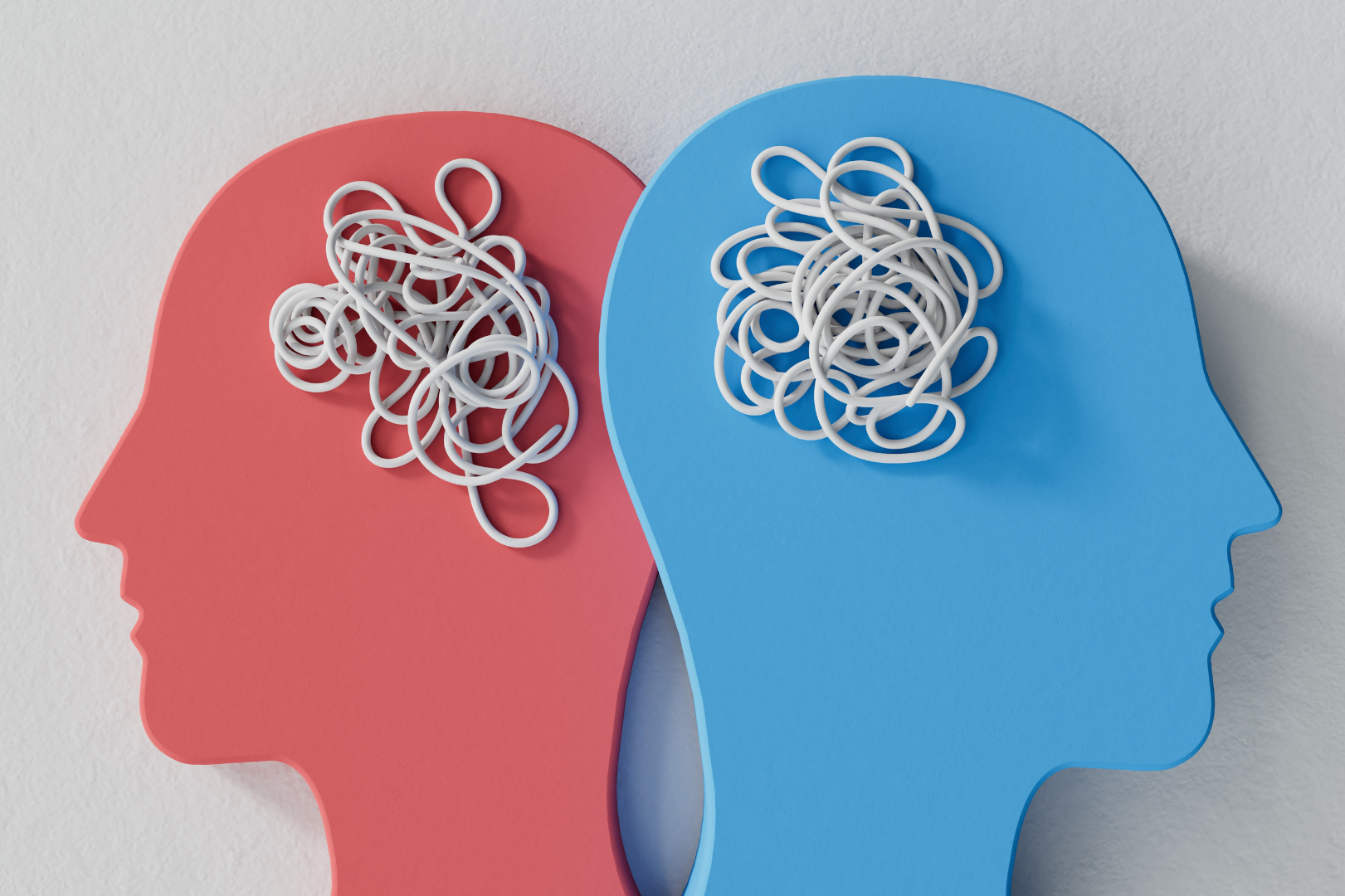
Participate in the TargetTau-1 Clinical Study: A Potential Breakthrough for Memory Loss Treatment
Are you or someone you know struggling with memory problems? We know how challenging that can be, and we’re excited
Headaches are a common ailment that affects millions of people worldwide. Among them, migraine headaches are particularly debilitating and can significantly impact an individual’s quality of life. Migraines occur in two main forms: episodic and chronic. This article aims to delve into the characteristics, causes, diagnosis, and current treatment options for these two types of migraine headaches.
Episodic migraines are defined as recurring headaches that typically come on suddenly and last for several hours to a few days, with symptom-free periods in between. They often present as throbbing or pulsating pain on one side of the head, accompanied by nausea, sensitivity to light and sound, and, in some cases, aura. Aura refers to neurological symptoms, such as visual disturbances or tingling sensations, which may precede or accompany the headache.


While the exact causes of migraines remain elusive, several triggers have been identified. These triggers vary from person to person and can include hormonal changes, certain foods or additives (such as chocolate, caffeine, or MSG), irregular sleep patterns, stress, environmental factors, certain medications, and even weather changes. Understanding one’s specific triggers can be crucial in managing and potentially preventing episodic migraines.
Diagnosis of migraines is mainly based on the patient’s medical history, physical examination, and the observation of specific patterns and symptoms. No specific tests can confirm the diagnosis, although neuroimaging may be conducted to rule out other potential causes. Patients are often encouraged to maintain a headache diary, tracking the frequency, intensity, and associated symptoms of their headaches, which can assist healthcare professionals in reaching an accurate diagnosis.
No specific tests can confirm the diagnosis.
The management of episodic migraines typically combines lifestyle changes, acute treatment during attacks, and preventive strategies. In terms of lifestyle modifications, identifying and avoiding personal triggers is key. Maintaining a regular sleep pattern, practicing stress-reducing techniques, exercising regularly, and adopting a healthy diet are important steps in reducing migraine occurrence.
For acute pain relief, over-the-counter medications such as ibuprofen or acetaminophen may suffice for mild to moderate migraines. However, more severe and debilitating migraines often require prescribed medications, such as triptans or ergotamines, which specifically target the mechanisms involved in the onset of migraines.
Preventive treatments are employed for individuals experiencing frequent migraines or those whose migraines are significantly impacting their daily lives. Medications like beta-blockers, certain antidepressants, antiepileptic drugs, and even Botox injections have shown efficacy in reducing the frequency and severity of migraines.
Chronic migraines are diagnosed when individuals experience headaches on 15 or more days per month, for at least three months, with at least eight of those days featuring migrainous characteristics. Chronic migraines often evolve from episodic migraines, but there are cases where the condition may develop without prior episodic migraines.
While the underlying causes of chronic migraines are still not fully understood, it is believed that they result from a combination of genetic predisposition, environmental factors, and altered pain processing in the brain. Some possible triggers for the transition from episodic to chronic migraines include overuse of acute headache medications, increased stress levels, hormonal changes, or other unidentified factors.
Diagnosing chronic migraines follows a similar process to that of episodic migraines. A thorough medical history, including headache patterns and characteristics, will be assessed. Diagnostic criteria from the International Classification of Headache Disorders (ICHD) are used, ensuring the differentiation of chronic migraines from other headache types or secondary causes.
The treatment approach for chronic migraines often involves a combination of acute and preventive strategies. Acute medications may include a broader range of pain relievers, including prescription-strength nonsteroidal anti-inflammatory drugs (NSAIDs) and specialized migraine-specific drugs. However, due to the frequency of attacks, it is vital to avoid overusing pain medications to prevent medication overuse headaches, known as rebound headaches.
Chronic migraines often require more robust preventive measures to manage their impact on daily life. Medications used for episodic migraines can also be utilized for chronic migraines, with additional interventions including alternative therapies like acupuncture, biofeedback, and nerve stimulation techniques. Lifestyle modifications and stress management techniques remain crucial for patients with chronic migraines.
Episodic and chronic migraine headaches significantly affect the lives of many individuals worldwide. By understanding the characteristics, triggers, diagnosis, and treatment options for these conditions, patients, along with healthcare professionals, can work together to alleviate the burden of migraine symptoms and improve overall quality of life. With ongoing research into the mechanisms behind migraines, it is hoped that future advancements will provide even more effective treatments and relief for those affected by these debilitating headaches.

Are you or someone you know struggling with memory problems? We know how challenging that can be, and we’re excited

KCA Neurology specializes in Alzheimer’s Dementia research and the clinic is growing to become a leading research institute in the
This site uses functional cookies and external scripts to improve your experience.
Privacy settings
Privacy Settings
This site uses functional cookies and external scripts to improve your experience. Which cookies and scripts are used and how they impact your visit is specified on the left. You may change your settings at any time. Your choices will not impact your visit.
NOTE: These settings will only apply to the browser and device you are currently using.
Cookie Policy
This site uses functional cookies and external scripts to improve your experience. Which cookies and scripts are used and how they impact your visit is specified on the left. You may change your settings at any time. Your choices will not impact your visit.