


Navigating Vagus Nerve Stimulator (VNS) Adjustment: A Comprehensive Guide
For individuals with epilepsy or certain types of depression that have not responded to standard treatments, a Vagus Nerve Stimulator (VNS) can offer a new avenue for management and control. However, similar to many advanced treatments, achieving the optimal outcome with a VNS often requires adjustments. This post delves into what patients can expect during an in-office VNS adjustment session.
Understanding VNS Adjustment
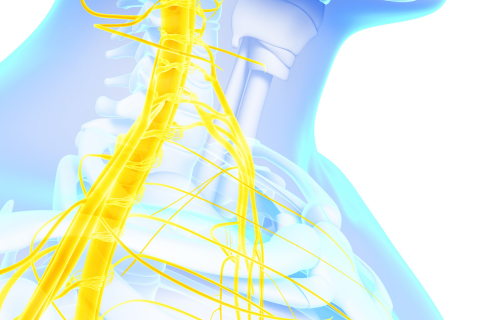
A Vagus Nerve Stimulator is a device implanted under the skin, designed to send electrical impulses to the vagus nerve, which then sends signals to the brain. Adjusting the VNS involves modifying these impulses to better manage symptoms. This process is crucial for tailoring the treatment to the individual’s specific needs and achieving the best possible symptom control.
Conditions Treated with VNS
VNS therapy is primarily used to treat:
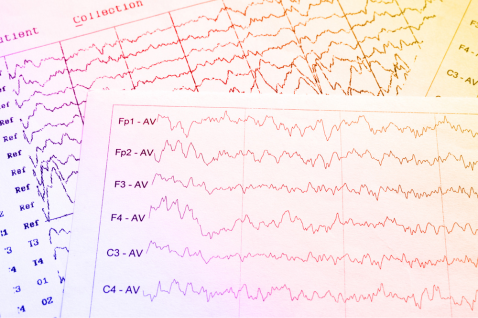
- Drug-resistant epilepsy, helping to reduce the frequency and intensity of seizures.
- Certain types of treatment-resistant depression, offering an alternative for those who have not benefited from traditional therapies.
The Adjustment Process
Adjusting a VNS device is a precise process, carried out by a healthcare professional, typically during a follow-up visit to the doctor’s office.
- Initial Assessment: Your doctor will review your symptoms, the effectiveness of the VNS therapy since implantation or the last adjustment, and any side effects you’ve experienced.
- Adjustment Procedure: Using a special handheld computer that communicates with the VNS via a wand placed over the skin, the doctor can adjust the device’s settings. This may include changing the frequency, intensity, or duration of the electrical impulses.
- Feedback and Monitoring: You’ll be asked to provide feedback on how the adjustments affect your symptoms. This information is crucial for fine-tuning the device to your unique condition.
What Patients Need to Know
- Patience is Key: Finding the optimal settings can take time and may require multiple adjustments.
- Symptom Tracking: Keeping a detailed diary of your symptoms and any changes you notice can be incredibly helpful for your doctor.
- Side Effects: As adjustments are made, you might experience temporary changes in your symptoms or new side effects. It’s important to report these to your doctor.
Preparing for Your VNS Adjustment
To ensure the most effective adjustment session:
- Record Your Experience: Note any changes in your condition, including symptom frequency and intensity, as well as any side effects.
- List Your Questions: Write down any questions or concerns you have about your VNS therapy to discuss with your doctor.
- Medication and Health Changes: Inform your doctor of any new medications or changes in your health since your last visit.
After the Adjustment
Post-adjustment, you may be instructed to monitor your symptoms closely and continue recording any changes. Follow-up appointments are crucial for assessing the effectiveness of the adjustments and making further changes if necessary.
Conclusion
VNS adjustments are a vital part of managing epilepsy or treatment-resistant depression with vagus nerve stimulation. By understanding the adjustment process and preparing for your visits, you can play an active role in optimizing your VNS therapy. Always communicate openly with your healthcare provider to ensure the best outcomes from your treatment.
Remember, this guide is meant to inform and prepare you for what to expect during a VNS adjustment session. Consult with your healthcare provider for advice tailored to your specific condition and treatment plan.